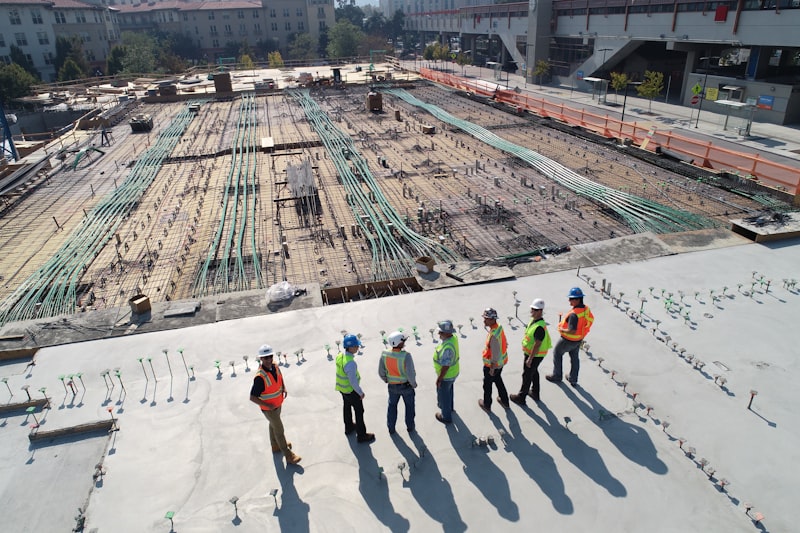
Purchasing a new build property represents a significant investment, and while many buyers assume that "new" means "perfect," the reality is quite different. Snagging surveys have become an essential safeguard for new homeowners, identifying defects, incomplete work, and quality issues before they become costly problems. Our RICS-accredited surveyors have conducted over 2,000 snagging inspections, helping buyers secure the quality they've paid for.
💡 Industry Reality
Studies show that 98% of new build properties have at least some defects requiring attention. The average new build home has 120-180 snags, ranging from minor cosmetic issues to significant structural concerns. Professional snagging surveys identify these issues before completion, saving buyers an average of £5,000-£15,000 in remediation costs.
What Is a Snagging Survey?
A snagging survey (also called a snagging inspection or new build inspection) is a detailed examination of a newly constructed property conducted before or immediately after completion. The survey identifies defects, incomplete work, poor workmanship, and deviations from building standards.
Key Components of Snagging Surveys
- Structural Inspection: Foundation integrity, wall construction, roof structure, floor levels, and load-bearing elements
- External Elements: Brickwork, rendering, windows, doors, drainage, guttering, and landscaping
- Internal Finishes: Plastering, painting, flooring, tiling, joinery, and decorative elements
- Services Installation: Electrical systems, plumbing, heating, ventilation, and telecommunications
- Fixtures & Fittings: Kitchen units, bathroom suites, built-in wardrobes, and appliances
- Building Regulations Compliance: Verification that construction meets current standards
Common Defects Found in New Build Properties
Our experience conducting thousands of snagging inspections has revealed consistent patterns of defects across developments nationwide. Understanding these common issues helps buyers appreciate the importance of professional inspection.
Structural & Building Envelope Issues
- Foundation Settlement: Uneven floors, cracking in walls, doors not closing properly
- Damp & Waterproofing: Inadequate damp-proof course, poor tanking in basements, water penetration
- Roof Defects: Missing tiles, inadequate ventilation, poor flashing details, leaking valleys
- Window & Door Issues: Poor sealing, incorrect installation, drafts, condensation, operational problems
- Drainage Problems: Inadequate falls, poor connections, blocked systems, surface water management
Internal Finishes & Services
- Plasterwork: Uneven surfaces, cracks, poor finishing around corners and openings
- Painting & Decoration: Incomplete coverage, uneven application, paint splashes, color mismatches
- Flooring: Uneven surfaces, squeaking, gaps, poor transitions between materials
- Electrical Installation: Incomplete work, incorrect positioning, non-functional fixtures, testing issues
- Plumbing Systems: Leaking joints, inadequate pressure, incorrect waste connections, incomplete commissioning
- Heating Systems: Radiator issues, thermostat problems, incomplete balancing, inefficient operation
Quality & Finishing Defects
- Kitchen Installations: Misaligned units, damaged worktops, non-functional appliances, poor tiling
- Bathroom Suites: Poor sealing, inadequate waterproofing, tiling issues, drainage problems
- Joinery Work: Poor fitting of doors, skirting gaps, architrave issues, staircase defects
- External Works: Incomplete landscaping, poor paving, inadequate boundaries, drainage issues
The Snagging Survey Process
Our systematic approach ensures comprehensive identification of all defects and issues. Understanding this process helps buyers know what to expect and how to maximize the value of their inspection.
Stage 1: Pre-Inspection Preparation
- Documentation Review: Examining sale contracts, specifications, floor plans, and developer-provided documentation
- Access Arrangements: Coordination with developers or estate agents to ensure full access
- Equipment Preparation: Comprehensive toolkit including moisture meters, thermal imaging cameras, electrical testing equipment
Stage 2: Systematic Inspection
Our RICS-accredited surveyors conduct room-by-room inspections following a standardized checklist:
- External Inspection (1-2 hours): Building envelope, roof, windows, doors, drainage, external works
- Internal Inspection (2-4 hours): All rooms, finishes, fixtures, fittings, services
- Services Testing: Electrical outlets, lighting, plumbing, heating systems, ventilation
- Photographic Documentation: Comprehensive evidence of every identified defect
- Categorization: Grading issues by severity (critical, significant, minor, cosmetic)
Stage 3: Reporting
Within 48 hours of inspection, clients receive a comprehensive snagging report containing:
- Executive Summary: Overview of findings with statistics on defect categories
- Detailed Defect List: Room-by-room itemization with descriptions, locations, and photographic evidence
- Priority Classification: Clear grading system for addressing issues
- Building Regulations Concerns: Any apparent non-compliance issues
- Recommendations: Suggested actions and timeline for remediation
When to Conduct a Snagging Survey
Timing is crucial for maximizing the effectiveness of snagging inspections and ensuring developers address all identified issues.
Pre-Completion Inspection (Recommended)
Timing: 2-4 weeks before scheduled completion date
Advantages:
- Developers obligated to rectify issues before legal completion
- Easier access while property is empty
- No disruption to occupation
- Stronger negotiating position
- Can delay completion if serious issues identified
Post-Completion Inspection
Timing: Immediately after completion (within first week)
Advantages:
- Still within initial defects liability period
- Developers still motivated to address issues
- NHBC/warranty coverage active
Working with Developers on Remediation
Successfully navigating the remediation process requires professional documentation, clear communication, and understanding of your contractual rights.
Presenting Your Snagging Report
Our detailed reports provide the professional documentation developers expect. Key strategies include:
- Formal Submission: Professional presentation to site managers and customer care teams
- Prioritization: Focus initial discussions on critical and significant issues
- Evidence-Based: Photographic evidence and technical descriptions support all claims
- Standards Reference: Citations to building regulations strengthen your position
Typical Developer Response Timeline
- Week 1: Acknowledgment and review of submitted report
- Week 2-3: Developer assessment and scheduling of remediation works
- Week 4-8: Remediation works conducted
- Week 9: Reinspection to verify completed works
NHBC Coverage & Warranty Claims
Most new build properties are covered by the NHBC Buildmark warranty, providing a structured framework for defect resolution.
NHBC Buildmark Coverage Structure
- Years 0-2 (Builder Guarantee): Developer responsible for fixing defects reported during this period
- Years 2-10 (NHBC Warranty): Major structural defects covered directly by NHBC
- Coverage Limits: Up to £200,000+ depending on property value
Cost vs. Value: Investment in Snagging Surveys
Professional snagging surveys represent exceptional value when considering potential costs of unidentified defects.
Survey Costs
- 1-2 Bedroom Property: £400-£600
- 3-4 Bedroom Property: £600-£900
- 5+ Bedroom Property: £900-£1,500
- Reinspection Services: £300-£500
Average Savings Achieved
- Average defects identified: 120-180 per property
- Average remediation cost (if buyer-funded): £8,000-£15,000
- Return on investment: 1000-2500%
- Inconvenience avoided: Significant disruption prevention
Frequently Asked Questions
Is a snagging survey really necessary for a new build?
Absolutely. Research shows 98% of new builds have defects requiring attention, with an average of 120-180 snags per property. Professional surveys identify issues while developers are obligated to fix them, saving buyers £5,000-£15,000 on average. The small survey cost (£400-£900) represents exceptional value considering potential remediation costs and inconvenience avoided.
When is the best time to conduct a snagging survey?
Ideally 2-4 weeks before scheduled completion. This timing ensures developers must rectify issues before handover, provides easier access while the property is empty, and gives you stronger negotiating leverage. Post-completion surveys (within the first week) are still valuable but may require negotiation for access during repairs.
What happens if the developer refuses to fix identified snags?
Professional snagging reports provide strong documentation supporting your contractual rights. If developers refuse legitimate repairs, escalation options include: NHBC Resolution Service for independent assessment, formal complaints through developer customer care procedures, legal action for breach of contract, and direct warranty claims. Our expert witness services provide technical support for disputes.
Can I do my own snagging inspection?
While possible, DIY inspections have significant limitations: lack of technical knowledge to identify building regulations non-compliance, absence of specialist testing equipment, limited experience recognizing serious vs. minor issues, weaker negotiating position with developers, and time-consuming detailed documentation. Professional surveys typically identify 40-60% more defects than DIY attempts.
How long does a snagging survey take?
Typical inspections take 3-6 hours depending on property size: 1-2 bedroom properties (3-4 hours), 3-4 bedroom properties (4-5 hours), 5+ bedroom properties (5-6 hours). This includes external and internal inspection, services testing, photographic documentation, and preliminary discussions with clients. Comprehensive reports are delivered within 48 hours.
What's the difference between a snagging survey and a HomeBuyer Report?
Snagging surveys are specifically for new builds, focusing on construction quality, finish standards, and defects against specifications. HomeBuyer Reports (RICS Level 2) assess condition of existing properties. New builds require specialized knowledge of modern construction methods, building regulations, and developer obligations that standard surveys don't address. Both serve different purposes for different property types.
🎯 Key Takeaways
- 98% of New Builds: Have defects requiring attention
- Average 120-180 Snags: Per property identified in professional surveys
- £5,000-£15,000 Savings: Average cost savings from early defect identification
- Pre-Completion Best: Strongest leverage for repairs before handover
- Professional Documentation: Essential for effective developer negotiations
- NHBC Coverage: 2-year builder guarantee, 10-year structural warranty
Conclusion
Professional snagging surveys represent one of the most cost-effective investments new build buyers can make. With 98% of new properties having defects and average remediation costs of £8,000-£15,000, a £400-£900 survey delivers exceptional return on investment while ensuring you receive the quality home you've contracted for.
Our RICS-accredited surveyors combine technical expertise, specialized equipment, and extensive experience to identify every defect, provide comprehensive documentation, and support effective developer negotiations. Don't risk discovering costly defects after completion – protect your investment with professional snagging inspection.
Book Your Snagging Survey
Our RICS-accredited surveyors have conducted over 2,000 snagging inspections. Protect your new build investment today.
Schedule InspectionRelated Articles