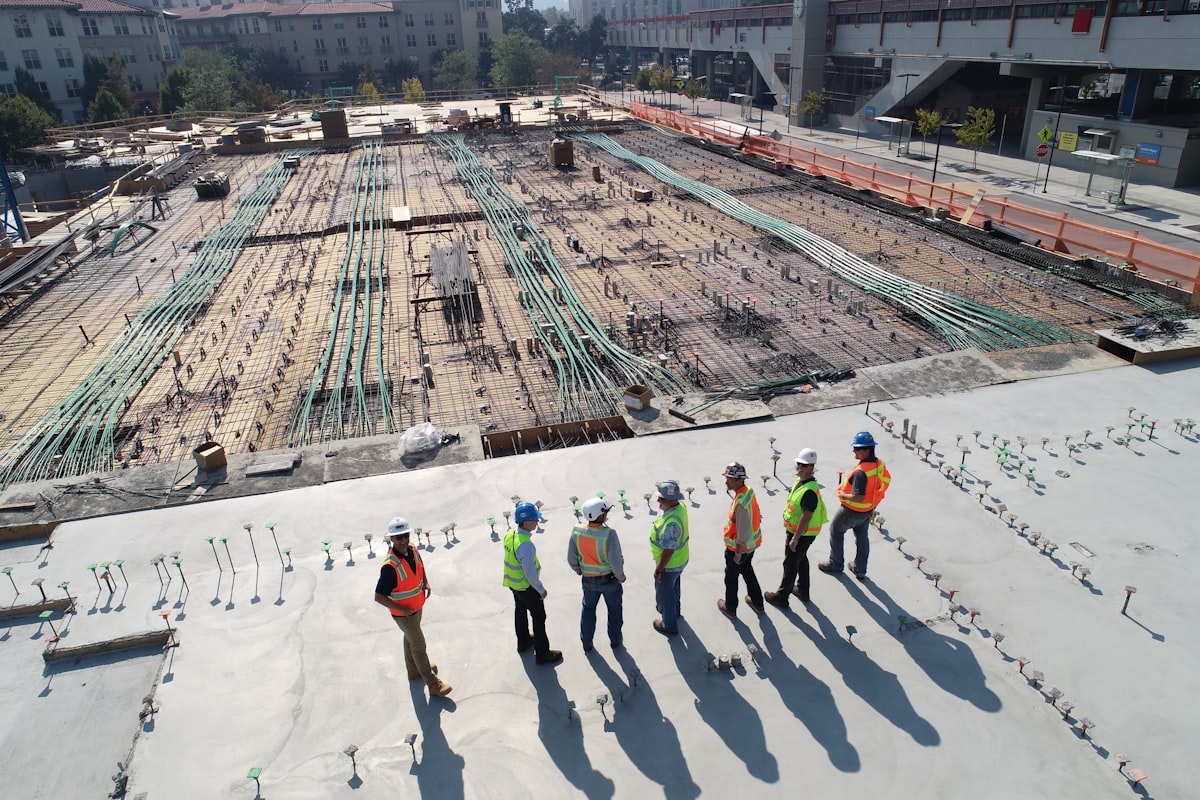
Building regulations compliance disputes arise when construction work fails to meet required standards. As an Expert Witness RICS specializing in building regulations matters, I've investigated everything from minor ventilation non-compliance to catastrophic structural and fire safety failures.
Understanding Building Regulations
Building regulations establish minimum standards for construction, ensuring buildings are safe, healthy, accessible, and energy-efficient. These regulations are legal requirements enforced by local authority building control or approved inspectors.
Non-compliance creates significant problems: properties may be un-mortgageable, insurance can be invalidated, and remedial works often cost substantially more than original compliance would have.
📋 Key Building Regulations Parts:
- Part A: Structure and load-bearing capacity
- Part B: Fire safety (most contentious post-Grenfell)
- Part C: Site preparation and resistance to moisture
- Part F: Ventilation and air quality
- Part L: Conservation of fuel and power (energy efficiency)
- Part M: Access and facilities for disabled persons
Common Non-Compliance Issues
1. Structural Non-Compliance (Part A)
Structural failures represent serious building regulation breaches:
- Inadequate foundations for soil conditions
- Undersized structural members (beams, lintels, joists)
- Modified load-bearing walls without proper support
- Loft conversions weakening roof structures
- Inadequate lateral restraint to walls
I've investigated numerous loft conversions where original roof trusses were cut without structural calculations or alternative support, creating dangerous structural inadequacy.
2. Fire Safety Non-Compliance (Part B)
Post-Grenfell, fire safety compliance receives intense scrutiny:
- Inadequate fire-resistant construction
- Missing or inadequate fire doors
- Compromised compartmentation
- Unsafe external wall systems
- Inadequate escape routes
- Missing fire detection systems
Fire safety non-compliance in residential buildings above 11m now triggers significant legal and financial consequences including enforcement action and substantial remediation costs.
3. Damp Proofing Non-Compliance (Part C)
Moisture protection failures cause long-term damage:
- Missing or inadequate damp proof courses
- Ineffective cavity trays above openings
- Subfloor ventilation inadequacy
- Tanking failures in basements
- Bridged cavities allowing moisture penetration
4. Energy Efficiency Non-Compliance (Part L)
Energy efficiency requirements have tightened significantly:
- Inadequate insulation levels
- Poor window thermal performance
- Thermal bridging creating heat loss
- Inefficient heating and hot water systems
- Excessive air leakage
Building Control Process
Full Plans Application
Detailed drawings and specifications submitted for approval before commencing work. Building control reviews plans for compliance, providing formal approval or requesting modifications.
Building Notice
Simplified notification for straightforward works. No prior plan approval required, but work must still comply with regulations. Building control inspects during construction.
Inspection Stages
Building control conducts inspections at key stages:
- Foundation excavations before concrete
- Foundation concrete and reinforcement
- Damp proof course installation
- Drainage before covering
- Completion before occupation
Builders must notify building control before covering work. Proceeding without inspections creates compliance uncertainty.
Regularisation Certificates
Work completed without building regulation approval requires retrospective regularisation. This involves:
- Formal application with fees (typically 115-120% of original fee)
- Detailed survey and investigation of existing work
- Opening up works to verify hidden construction
- Remedial works where non-compliance identified
- Final certification once compliance demonstrated
Regularisation isn't always achievable. Some non-compliant work cannot be regularised without substantial reconstruction.
Disputes Involving Building Regulations
Buyer-Seller Disputes
Purchasers discovering non-compliant extensions or alterations commonly pursue vendors for:
- Regularisation costs
- Remedial work expenses
- Property value diminution
- Professional fees and legal costs
Claims typically allege misrepresentation where sellers incorrectly confirmed building regulation compliance.
Contractor Negligence Claims
Property owners pursue builders for non-compliant work requiring:
- Complete reconstruction of defective elements
- Consequential damage repairs
- Professional fees for investigation and design
- Alternative accommodation costs
Remedying non-compliant work typically costs 2-3 times original construction costs.
Lender Disputes
Mortgage lenders discovering non-compliance may:
- Refuse to lend until regularised
- Require indemnity insurance (not always available)
- Demand immediate remediation
- Call in existing loans in serious cases
Expert Witness Role
Expert witnesses in building regulation disputes must:
Assess Compliance
- Inspect work and compare against regulations
- Review building control records and approvals
- Identify specific regulation breaches
- Assess compliance severity
Quantify Remediation
- Specify required remedial works
- Estimate remediation costs
- Consider practical remediation options
- Assess regularisation prospects
Provide Court Evidence
- Prepare CPR Part 35 compliant reports
- Explain technical non-compliance clearly
- Support claims with regulation references
- Provide realistic remediation costs
Post-Grenfell Changes
The Grenfell Tower tragedy prompted substantial building regulation changes:
Building Safety Act 2022
- New Building Safety Regulator
- Enhanced oversight for high-risk buildings
- Gateway approval system for tall buildings
- Increased accountability for duty holders
- Strengthened enforcement powers
Cladding and External Wall Fire Safety
Residential buildings above 11m with combustible cladding face:
- EWS1 form requirements affecting mortgageability
- Remediation obligations (costs £50,000-£500,000+ per dwelling)
- Waking watch costs pending remediation
- Government funding availability (limited eligibility)
Frequently Asked Questions
What happens if I build without building regulation approval?
You breach legal requirements. Local authorities can serve enforcement notices requiring remediation or removal within 12 months of completion. Non-compliance also affects property sales and mortgageability.
Can building regulation non-compliance be regularised years later?
Sometimes, through retrospective regularisation applications. However, this requires opening up works for inspection and may reveal compliance impossibility without reconstruction. Some work cannot be regularised.
Do I need building regulations approval for all work?
No. Minor works like like-for-like repairs, redecoration, and certain small-scale alterations are exempt. However, most structural changes, extensions, loft conversions, and electrical work require approval.
What's the difference between planning permission and building regulations?
Planning permission concerns visual impact and land use. Building regulations concern technical construction standards. Many projects need both; some require only one or neither.
Can indemnity insurance cover non-compliant work?
Limited situations. Indemnity insurance covers enforcement action risk but doesn't make work compliant or cover physical remediation. Insurers won't cover known non-compliance or post-Grenfell fire safety issues.
🎯 Key Takeaways
- Always get approval: Building regulation compliance isn't optional
- Keep documentation: Completion certificates essential for sales
- Use competent builders: Who understand regulation requirements
- Don't cover work: Until building control inspections complete
- Address non-compliance early: Costs escalate with time
- Get expert advice: For regularisation and disputes
Conclusion
Building regulation compliance is fundamental to safe, legal construction. As an Expert Witness RICS, I've seen how non-compliance creates expensive problems affecting property values, mortgageability, and legal liability. Ensuring compliance from the outset costs far less than retrospective remediation.
When disputes arise, expert evidence clarifying technical requirements, assessing compliance, and quantifying remediation costs facilitates resolution and protects parties' interests.
Need Building Regulations Expert Advice?
Our RICS chartered surveyors provide expert evidence for building regulation disputes including compliance assessments, remediation specifications, and court testimony.
Get Expert AssessmentRelated Articles